
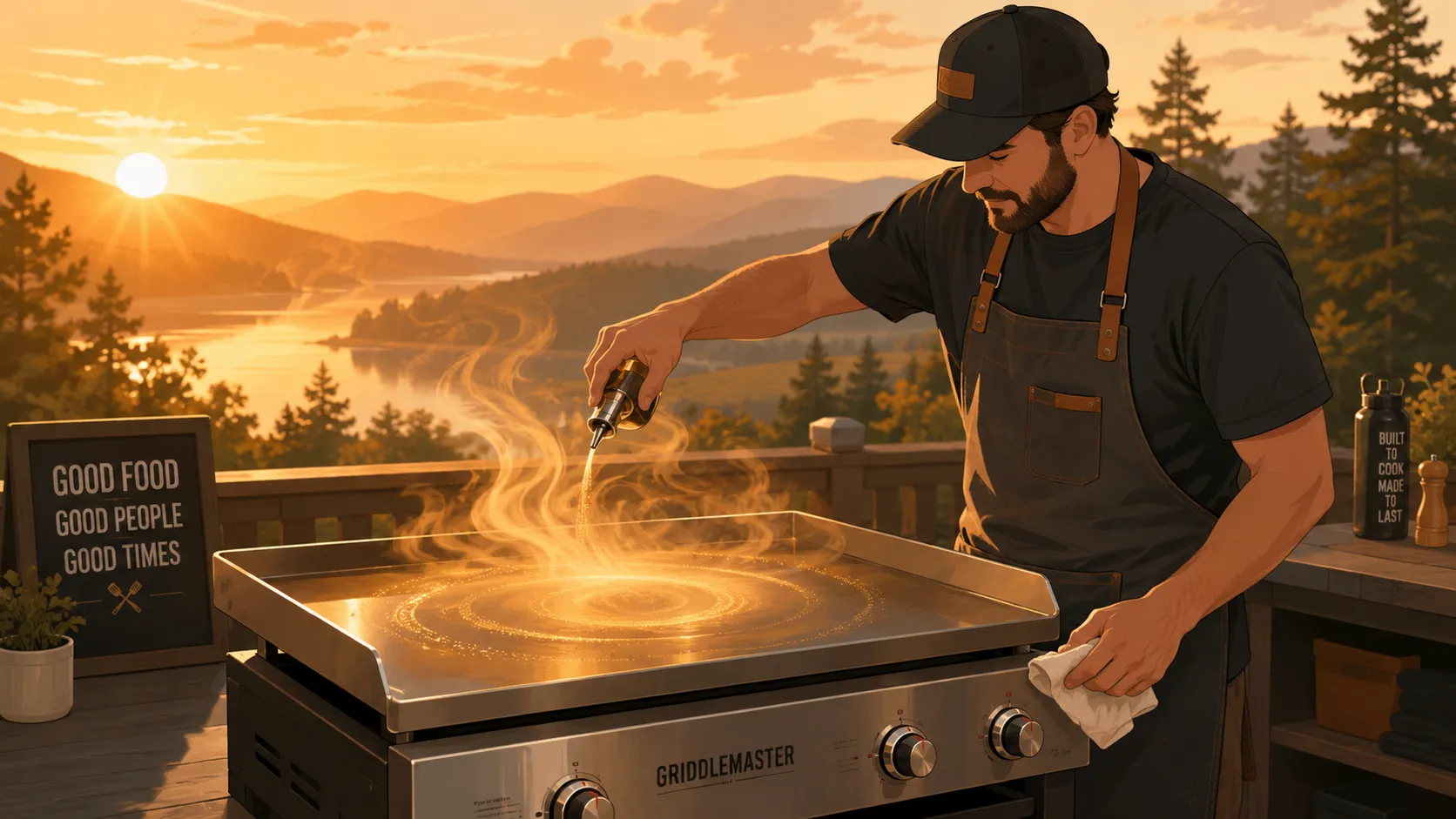
Stainless steel griddles have become increasingly popular among home cooks and outdoor cooking enthusiasts because they combine durability, corrosion resistance, and versatility. Unlike traditional carbon steel or cast iron cooking surfaces, stainless steel doesn’t rust easily and can withstand years of heavy use. Many people purchase a stainless steel griddle expecting it to behave like a nonstick pan right out of the box, only to discover that eggs stick, burgers cling to the surface, and cleanup becomes frustrating.
The reality is that stainless steel behaves differently from coated cookware. It relies heavily on proper heat management and surface preparation. While some manufacturers state that seasoning is optional for certain stainless steel griddles, many experienced cooks intentionally season the cooking surface to improve food release and make cooking easier. A properly seasoned surface can significantly reduce sticking and improve the overall cooking experience. Industry guides and manufacturer recommendations frequently suggest using high-smoke-point oils and controlled heat to create a temporary nonstick effect through oil bonding and polymerization. Understanding how seasoning works allows you to get the best performance from your griddle. Think of seasoning as creating a microscopic protective layer between the metal and your food. That layer isn’t magic, but it can make a dramatic difference when cooking delicate foods like eggs, pancakes, fish, and vegetables.
Why Stainless Steel Needs Seasoning in the First Place
Many people assume that because stainless steel resists rust, it doesn’t benefit from seasoning. Technically, stainless steel doesn’t require seasoning for corrosion protection in the same way cast iron does. However, seasoning can still provide valuable benefits. The primary reason is improved food release and easier cleanup. When oil is heated properly, it undergoes a chemical transformation called polymerization, creating a thin layer that helps reduce direct contact between food proteins and the metal surface. Imagine the griddle surface as a microscopic landscape filled with tiny peaks and valleys. Food naturally grabs onto these imperfections during cooking. Seasoning helps smooth out those imperfections with an ultra-thin bonded layer of oil. The result is a cooking surface that feels more forgiving and predictable.
Seasoning also helps create consistency. Instead of battling hot spots and sticky areas every time you cook, a seasoned surface tends to perform more evenly. Although stainless steel won’t build a permanent black patina like carbon steel, regular seasoning and cooking can gradually improve performance over time. This is especially useful for outdoor griddles that are exposed to varying temperatures and cooking conditions.
The Science Behind Oil Polymerization
Seasoning works because of polymerization, a process where heated oil molecules bond together and adhere to the metal surface. This occurs when the oil reaches or slightly exceeds its smoke point. At that temperature, the oil transforms from a liquid into a hardened protective coating. The process is similar to how paint dries and forms a solid film, except seasoning creates an extremely thin food-safe layer. Not every oil performs equally during polymerization. Oils with higher smoke points and appropriate fat compositions generally create stronger seasoning layers. The goal is not to leave a thick coating of oil on the griddle. Instead, the objective is to leave a microscopic film that can bond effectively. Too much oil creates gummy residue, while too little may not produce meaningful results.
Understanding this science helps explain why temperature, oil selection, and application technique are so important. When all three factors work together, the griddle develops a smoother cooking surface that improves with use.
Preparing Your Griddle Before Seasoning
Before any seasoning begins, preparation is critical. Many new griddles arrive with manufacturing residues, protective coatings, packaging dust, fingerprints, or shipping contaminants. If these substances remain on the surface during seasoning, they can become trapped beneath the oil layer and compromise the final result.
A clean surface gives the oil the best chance to bond directly with the stainless steel. Skipping this step is one of the most common reasons seasoning fails. It’s similar to painting a dirty wall; no matter how good the paint is, it won’t adhere properly if the surface underneath is contaminated.
Cleaning Away Factory Residue Before Heating
Start by washing the griddle thoroughly with warm water and mild dish soap. This initial wash removes manufacturing oils, storage dust, and packaging residue that may not be visible to the naked eye. Several manufacturers specifically recommend this cleaning step before first use. After washing, rinse thoroughly to eliminate any soap residue. Dry the surface completely using a clean towel. Moisture left on the cooking surface can interfere with seasoning and may create uneven bonding.
Once dry, inspect the griddle carefully. The surface should feel clean and smooth without any greasy patches. If you notice fingerprints or oily spots, wipe them away with a clean cloth before moving on to the seasoning process. Taking a few extra minutes during preparation often saves hours of frustration later.
Tools and Supplies You Will Need
Fortunately, seasoning a stainless steel griddle requires only a few simple supplies:
| Item | Purpose |
|---|---|
| High-smoke-point oil | Creates the seasoning layer |
| Paper towels | Spreads oil evenly |
| Tongs | Safely handle towels |
| Heat-resistant gloves | Added protection |
| Griddle scraper | Future maintenance |
| Clean cloth | Final wiping |
The simplicity of this process is part of its appeal. Expensive specialty products are not necessary, although some seasoning waxes are available commercially. These products often combine oils and waxes designed specifically for griddle surfaces.
Choosing the Best Oil for Seasoning
Selecting the correct oil can dramatically influence the quality of the finished seasoning layer. Many first-time griddle owners reach for whatever cooking oil happens to be available in their kitchen, but not all oils perform equally under high heat.
Oils That Create a Better Nonstick Layer
The most commonly recommended oils include:
- Grapeseed oil
- Avocado oil
- Canola oil
- Refined peanut oil
- Vegetable oil
These oils have relatively high smoke points and can withstand the temperatures necessary for polymerization. Industry experts and manufacturers consistently recommend these options because they create durable seasoning layers while minimizing sticky residue. Among enthusiasts, grapeseed oil frequently receives praise because it balances a high smoke point with excellent polymerization characteristics. Avocado oil is another favorite due to its extremely high smoke point, which can exceed 500°F.
Oils to Avoid During Seasoning
Certain oils are less suitable for seasoning:
- Extra virgin olive oil
- Butter
- Margarine
- Unrefined oils with low smoke points
These products tend to burn before creating a stable seasoning layer. The result is often sticky residue, uneven coloration, and poor food release. If you’ve ever ended up with gummy patches on a cooking surface, the wrong oil may have been the culprit.
Step-by-Step Stainless Steel Griddle Seasoning Process
Seasoning is not complicated, but attention to detail matters. The biggest mistake people make is using too much oil. A successful seasoning layer is incredibly thin.
Applying the Correct Amount of Oil
Pour a very small amount of oil onto the surface. Use paper towels or a lint-free cloth to spread it evenly across the entire cooking area. Then wipe aggressively until the surface appears almost dry. This may seem counterintuitive, but a microscopic layer is exactly what you want. If the griddle still looks greasy, keep wiping. Excess oil is responsible for many seasoning failures.
The Right Heat Level for Proper Bonding
Heat the griddle gradually until the oil begins to smoke lightly. This is the critical stage where polymerization occurs. Experts generally recommend temperatures around 400°F to 450°F depending on the oil being used. High-smoke-point oils can tolerate slightly higher temperatures. Allow the oil to smoke for several minutes. This indicates that the bonding process is taking place. The surface may begin changing color slightly, which is perfectly normal.
How Long to Heat the Surface
Most seasoning cycles require approximately 10 to 20 minutes after smoking begins. The exact duration depends on temperature, weather conditions, and griddle design. Outdoor users often find that wind can cool certain areas, resulting in uneven seasoning. Patience is important here. Rushing the process often produces inconsistent results.
Repeating the Process for Better Results
One layer is good. Three to five layers are better. Multiple thin applications create a more uniform and durable surface than a single thick coat. Each layer builds on the previous one, gradually improving food release and surface consistency.
How to Know the Griddle Is Properly Seasoned
One of the most common questions is whether the seasoning process actually worked. Fortunately, the surface provides several clues.
What the Surface Should Look Like When It’s Ready
A properly seasoned stainless steel griddle should appear slightly darker than raw stainless steel. Depending on the oil and heating conditions, the surface may develop a bronze, golden, brown, or lightly darkened appearance. The finish should feel smooth rather than sticky. Think of the surface like polished leather. It should have a subtle sheen without appearing wet or greasy.
If you run a clean finger across the cooled griddle, it should glide smoothly. Sticky areas indicate excess oil or incomplete polymerization.
Common Color Changes and What They Mean
Color variations are normal during seasoning. Heat naturally causes stainless steel to change appearance. Light gold, blue, bronze, and brown tones can all appear during the process. These color shifts do not necessarily indicate problems. What matters most is texture. A smooth surface generally indicates successful seasoning, while rough or tacky areas suggest adjustments may be needed.
Mistakes That Ruin a Seasoning Layer
Even experienced cooks occasionally make seasoning mistakes. Understanding the most common problems helps prevent frustration.
Common Mistakes That Cause Sticky Patches
Sticky patches usually occur when too much oil remains on the surface. Instead of polymerizing into a thin coating, excess oil partially cooks and becomes gummy. This creates uneven cooking performance and attracts debris. The solution is simple: use less oil than you think you need.
Using Too Much Oil
This mistake deserves special attention because it causes the majority of seasoning failures. Many beginners believe a thicker oil layer creates stronger protection. The opposite is true. Thin layers polymerize efficiently, while thick layers struggle to bond properly. If the surface feels tacky after cooling, excess oil is usually responsible.
Incorrect Temperature Control
Temperature mistakes can also create problems. Insufficient heat prevents proper bonding, while excessive heat may burn off the oil before polymerization can occur. Finding the sweet spot near the oil’s smoke point is essential for success.
Cooking on a Seasoned Stainless Steel Griddle
Seasoning alone doesn’t guarantee perfect nonstick performance. Daily cooking habits matter just as much.
Keeping Food From Clinging During Everyday Cooking
Always preheat the griddle before adding food. Cold food placed on a cold surface is far more likely to stick. Once the cooking surface reaches the desired temperature, add a small amount of fresh cooking oil before placing food on the griddle. Many foods naturally release when they are ready to flip. Trying to force them prematurely often creates sticking problems that people mistakenly blame on poor seasoning.
Best Practices for Preheating
Proper preheating creates a stable cooking environment. Give the griddle several minutes to reach temperature evenly across the surface. Consistent heat improves browning, reduces sticking, and enhances overall cooking performance.
The combination of seasoning, preheating, and proper oil usage creates a dramatically different experience than cooking on untreated stainless steel.
Long-Term Maintenance
Seasoning isn’t a one-time event. Like any cooking surface, it benefits from ongoing care.
A Simple Routine to Maintain the Seasoned Finish
After cooking, scrape away food debris while the surface remains warm. Wipe the griddle clean with paper towels or a cloth. If necessary, use a small amount of water to loosen stubborn residue. Dry thoroughly afterward. Before storing the griddle, apply a very light coating of oil. This simple habit helps maintain the seasoned finish and prepares the surface for the next cooking session. The process takes only a few minutes but can significantly extend the effectiveness of the seasoning layer.
When to Re-Season Your Griddle
Re-seasoning may be necessary if:
- Food begins sticking excessively
- Deep cleaning removes the bonded layer
- The surface develops uneven patches
- Cooking performance noticeably declines

Breccan Reed is a 34-year-old American blogger from Madison, Wisconsin, with extensive experience writing educational guides about construction materials, tools, and sustainable projects. He contributes in-depth, fact-checked content to rawmaterialsupply.xyz, drawing on years of freelance writing and interviews with industry professionals to deliver practical information readers can trust.