
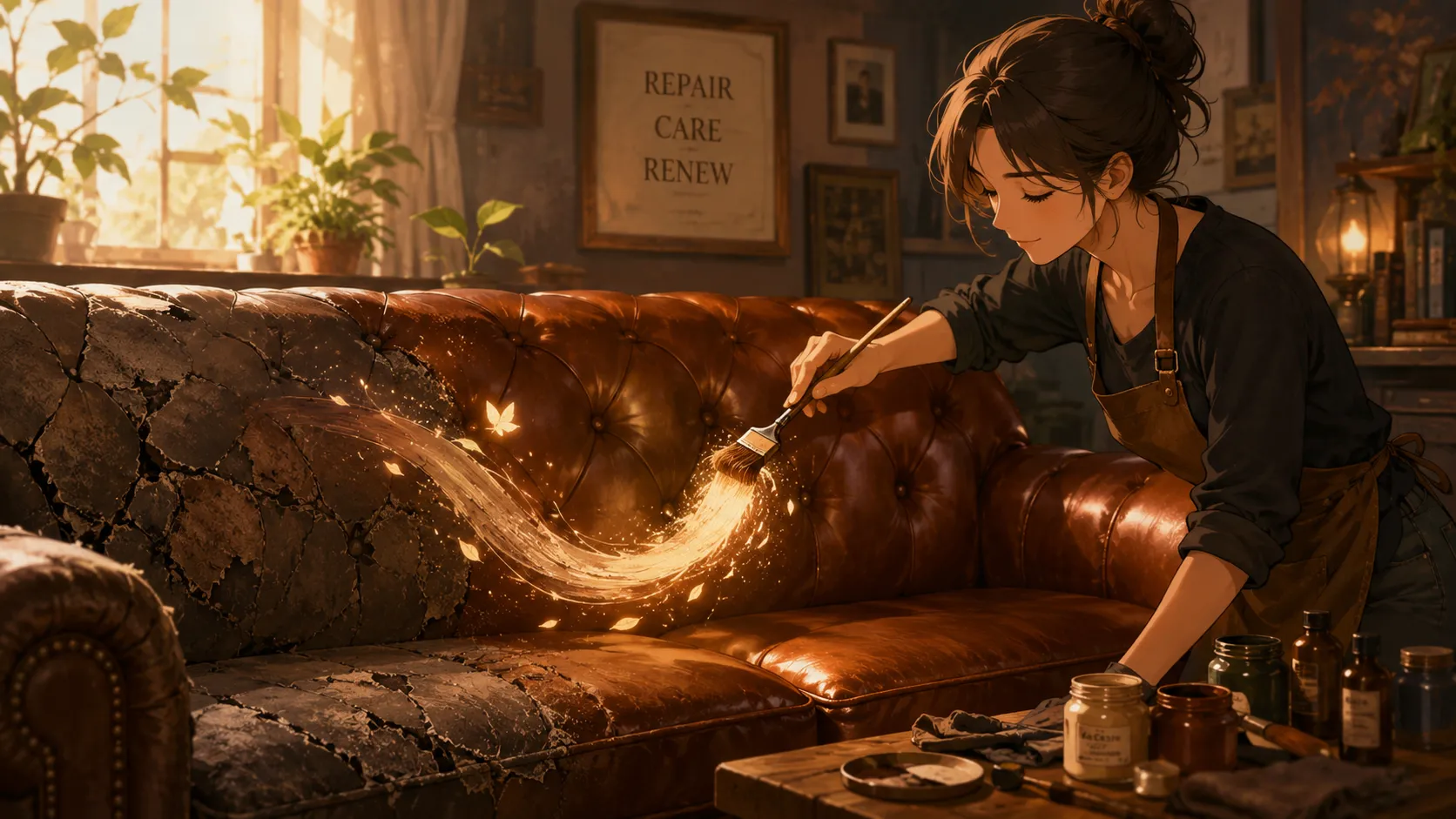
A leather couch is often one of the most valuable pieces of furniture in a home. It adds elegance, comfort, and durability that many fabric sofas simply cannot match. Yet even the highest-quality leather isn’t immune to scratches. Whether the damage comes from pets, children, keys, jewelry, or everyday use, seeing a scratch on your favorite leather couch can feel frustrating.
The good news is that many leather scratches can be repaired without replacing furniture or hiring a professional. The key is understanding the difference between a simple scuff and genuine leather damage. Once you identify the severity of the scratch, you can choose the appropriate repair method and restore your couch’s appearance.
Industry data also highlights how important leather maintenance has become. The global leather care products market continues to grow, with leather conditioners accounting for approximately 36.4% of total market revenue in 2025, reflecting the increasing focus homeowners place on preserving leather furniture. This guide explains exactly how to fix scratches on a leather couch, from identifying damage and cleaning the area to using conditioners, fillers, dyes, and preventive maintenance techniques.
Understanding Why Leather Couches Get Scratched
Leather may be tough, but it is still a natural material. Unlike synthetic fabrics, leather contains fibers that can be disturbed, compressed, or cut when exposed to friction or sharp objects. This means even normal household activity can gradually leave marks on the surface.
Pets are among the most common causes of leather scratches. A dog jumping onto the couch or a cat sharpening its claws can leave visible marks. Jewelry, belt buckles, keys, and even rough clothing can also create scratches. Over time, repeated friction from sitting in the same spot can wear away protective finishes and make minor damage more noticeable.
Different leather types react differently to scratches. Full-grain and aniline leather often show scratches more clearly because they maintain a natural appearance with minimal protective coating. Pigmented and corrected-grain leathers usually resist scratches better thanks to protective surface treatments. Understanding your couch’s leather type helps determine the most effective repair approach. Think of leather like wood. A tiny scratch on polished wood might be buffed away easily, while a deep gouge requires filling and refinishing. Leather behaves in a very similar way.
Common Causes of Leather Surface Damage
Leather damage often develops from:
- Pet claws
- Sharp objects
- Jewelry and watches
- Children’s toys
- Moving furniture
- Excessive dryness
- Direct sunlight exposure
- Lack of conditioning
Why Some Leather Types Scratch More Easily
Natural leathers typically develop character over time, including visible marks. While some homeowners appreciate this patina, others prefer a flawless appearance. Knowing which category your couch falls into helps set realistic repair expectations.
Identifying Light Scuffs Versus Deep Leather Damage
Before reaching for repair products, you must determine exactly what type of damage you’re dealing with. This is arguably the most important step in the entire process.
A light scuff usually affects only the leather finish. The protective coating may be disturbed, but the leather fibers underneath remain intact. These marks often appear lighter than the surrounding area and may disappear with gentle rubbing or conditioning.
A deep scratch, on the other hand, penetrates beyond the finish and into the leather itself. These scratches may feel rough when touched and can expose lighter fibers beneath the surface. Deep scratches often require fillers, dyes, or more advanced restoration techniques. Experts recommend evaluating whether the scratch can be physically felt. If the damage extends beyond the finish layer, more extensive repair is generally required.
Signs of a Minor Surface Scuff
Minor scuffs typically:
| Characteristic | Light Scuff |
|---|---|
| Depth | Surface only |
| Texture | Smooth |
| Visibility | Changes with lighting |
| Repair Difficulty | Easy |
| Required Products | Conditioner or leather oil |
These marks often respond well to simple conditioning and buffing.
How to Recognize Deep Leather Cuts and Gouges
Deep scratches typically show:
| Characteristic | Deep Scratch |
|---|---|
| Depth | Penetrates leather |
| Texture | Rough or raised |
| Visibility | Constant |
| Repair Difficulty | Moderate to difficult |
| Required Products | Filler, dye, conditioner |
Recognizing the difference prevents unnecessary damage from using the wrong repair method.
Cleaning the Area Before Any Repair Work Begins
Repairing dirty leather is like painting over dust-covered walls. The results rarely look professional and may even worsen the problem.
Before any repair begins, thoroughly clean the scratched area. Dust, oils, and debris can become trapped inside scratches and interfere with conditioners, fillers, and dyes. Many leather repair professionals recommend dry-cleaning the surface first to avoid grinding dirt deeper into the finish. Start by vacuuming the area using a soft brush attachment. Follow with a microfiber cloth slightly dampened with a leather-safe cleaner. Work gently and avoid soaking the leather. Excess moisture can cause discoloration and weaken leather fibers over time.
Removing Dirt, Oils, and Debris Safely
Use these cleaning supplies:
- Microfiber cloth
- Leather-specific cleaner
- Soft brush
- Vacuum attachment
Apply cleaner in small amounts and wipe in circular motions. Allow the leather to dry completely before proceeding with repairs.
Cleaning Mistakes That Can Worsen Damage
Avoid:
- Bleach
- Harsh solvents
- Acetone
- Excessive water
- Abrasive scrubbing pads
Many experts warn that aggressive cleaning products can damage leather finishes and make scratches even more visible.
Blending Minor Scratches With Leather Oils and Conditioners
For minor scratches, leather conditioners often work surprisingly well. Leather naturally contains oils that keep it flexible and attractive. As these oils diminish over time, scratches become more noticeable.
Conditioners replenish lost moisture and help redistribute oils across the damaged area. This process can reduce the appearance of scratches significantly. In many cases, light scratches become nearly invisible after conditioning. Experts frequently recommend conditioners as the first treatment option for superficial marks.
How Leather Conditioners Restore Appearance
Conditioners help by:
- Hydrating leather fibers
- Improving flexibility
- Reducing dryness
- Enhancing color richness
- Minimizing visible scratches
Conditioning also extends furniture lifespan by preventing cracking and stiffness.
Step-by-Step Method for Light Scratch Repair
- Clean the area thoroughly.
- Apply a small amount of leather conditioner.
- Rub gently using circular motions.
- Allow absorption for several minutes.
- Buff with a clean microfiber cloth.
Some leather experts even report that warmth from your fingers can help blend surface scratches by redistributing oils naturally.
Repair Fillers That Help Restore Deeper Marks
When scratches penetrate the leather surface, conditioners alone are usually insufficient. This is where leather repair fillers become valuable.
Leather fillers are flexible compounds designed to fill damaged areas and recreate a smooth surface. Unlike household putty or glue, leather fillers remain flexible after drying, reducing the risk of cracking during normal couch use.
When a Leather Filler Is Necessary
Consider filler when:
- The scratch has depth
- Fibers are exposed
- The area feels rough
- Color loss is severe
- Small tears are present
Professional repair guides recommend flexible filler whenever exposed suede-like fibers or thinning leather become visible.
Applying Filler Without Creating Texture Problems
Apply filler carefully:
- Clean and dry the area.
- Use a small palette knife.
- Fill thin layers rather than one thick application.
- Allow drying between coats.
- Sand lightly if necessary.
Patience is essential. Rushing filler applications often produces uneven surfaces that are harder to disguise later.
Matching Color Without Creating Uneven Patches
Color matching is often the most challenging part of leather repair. Even a perfectly filled scratch can remain visible if the color doesn’t blend naturally.
Leather ages over time. Exposure to sunlight, oils, and daily use alters its original shade. This means matching the manufacturer’s original color may not always produce the best result.
Choosing the Correct Leather Dye
When selecting dye:
| Factor | Recommendation |
|---|---|
| Color Match | Closest possible shade |
| Leather Type | Match product to leather |
| Finish | Satin, matte, or gloss |
| Application | Sponge or airbrush |
Always test products on an inconspicuous area first. Many repair specialists stress the importance of patch testing before applying dyes to visible surfaces.
Techniques for Seamless Color Blending
Rather than coloring only the scratch itself, feather the dye slightly beyond the damaged area. This creates a gradual transition that appears more natural.
Apply multiple thin coats instead of one thick layer. Thin applications allow better control and significantly reduce the risk of creating dark spots or uneven patches.
How Heat and Sunlight Affect Repaired Leather
Repairing leather is only half the battle. Protecting the repaired area afterward is equally important.
Heat accelerates moisture loss in leather. When leather dries excessively, it becomes stiff, brittle, and more prone to future damage. Direct sunlight also fades dyes and weakens protective finishes.
The Impact of Excessive Heat
Common heat sources include:
- Radiators
- Fireplaces
- Space heaters
- Heated floors
- Hair dryers used excessively
While gentle warmth may occasionally help blend light scratches, excessive heat can damage leather and compromise repairs.
Protecting Repairs From UV Exposure
UV rays can:
- Fade repaired areas
- Alter color matching
- Dry leather fibers
- Accelerate cracking
Position leather furniture away from large windows whenever possible. Consider UV-filtering curtains or blinds to minimize damage.
Keeping Future Scratches From Becoming More Noticeable
The best repair is the one you never have to make. Preventive maintenance dramatically reduces scratch visibility and prolongs the life of leather furniture.
Leather that remains moisturized and flexible naturally resists damage better than dry leather. Regular conditioning, cleaning, and inspection allow homeowners to address small issues before they become serious.
Preventive Maintenance Habits
Develop these habits:
- Dust weekly
- Condition every few months
- Trim pet nails regularly
- Avoid sharp objects near furniture
- Clean spills immediately
- Rotate seating positions

Sullivan Mercer is a 27-year-old American writer living in Chattanooga, Tennessee. His work focuses on manufacturing trends, industrial supplies, and product research, blending technical accuracy with an engaging writing style. Through his contributions to rawmaterialsupply.xyz, he aims to make complex topics easy to understand while maintaining high editorial credibility.