
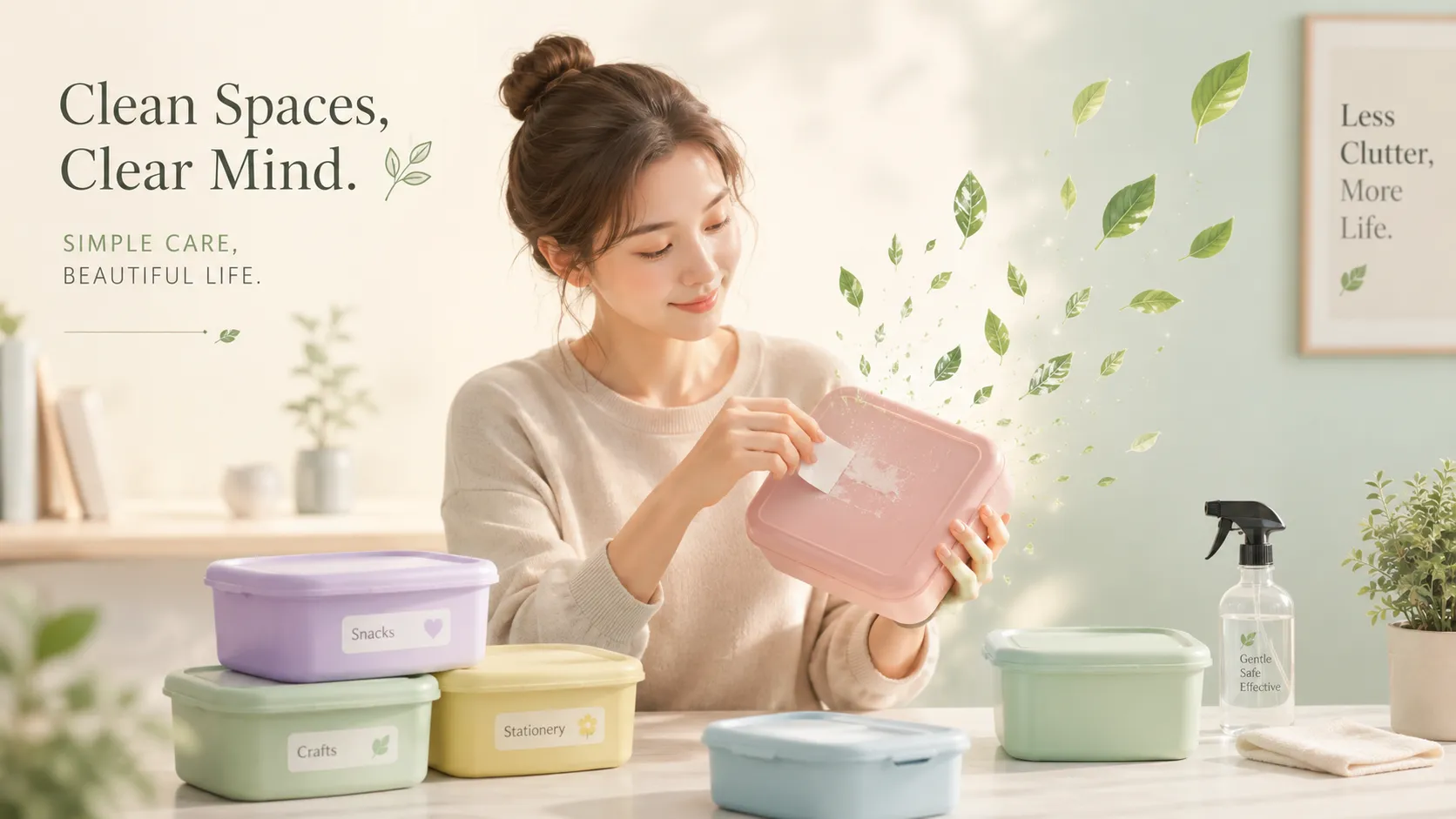
Before writing this guide, current sources were reviewed to verify the latest recommended methods for removing sticker residue from plastic. Recent cleaning and plastics-care resources consistently recommend starting with gentle heat, followed by oils, mild detergents, and carefully selected solvents while avoiding aggressive chemicals such as acetone that can permanently damage many plastics.
Understanding Why Sticker Residue Sticks to Plastic
Sticker residue seems harmless until it refuses to come off. Anyone who has purchased a new storage container, toy, electronics accessory, or kitchen item has likely experienced the frustration of peeling away a label only to find a stubborn sticky patch underneath. The reason this happens is rooted in the design of modern adhesives. Manufacturers intentionally create pressure-sensitive adhesives that can maintain a strong bond across a wide variety of surfaces, including smooth plastics. These adhesives are engineered to resist moisture, temperature changes, and regular handling. As a result, when the paper or vinyl portion of a sticker is removed, some of the adhesive often remains behind.
Plastic surfaces present a unique challenge because they are generally smooth at a microscopic level. While they may look perfectly flat, they contain tiny textures and pores that allow adhesives to settle into the surface. Once the adhesive cures over time, especially after exposure to sunlight or heat, it becomes even more difficult to remove. Recent plastic-care resources explain that successful removal depends on weakening the adhesive itself without affecting the plastic beneath it. This delicate balance is why some removal methods work beautifully while others leave scratches, cloudiness, or permanent damage.
The Science Behind Pressure-Sensitive Adhesives
Pressure-sensitive adhesives are designed to bond immediately when pressure is applied. Unlike glues that require curing or drying, sticker adhesives remain tacky throughout their lifespan. This flexibility allows them to conform to tiny imperfections in a surface, creating an impressive grip. Think of the adhesive as thousands of microscopic fingers wrapping themselves around the plastic.
Why Plastic Holds Onto Sticky Residue So Well
Plastic surfaces often possess chemical characteristics that are compatible with adhesive compounds. This compatibility increases the strength of the bond. Heat from sunlight, storage conditions, and everyday use can also soften the adhesive and encourage it to spread further into surface textures, making removal more difficult over time.
Identifying the Type of Plastic Before Cleaning
One of the biggest mistakes people make is assuming all plastics react the same way. In reality, plastic is a broad category that includes numerous materials with different chemical properties. A cleaning method that works perfectly on a polypropylene storage bin might permanently damage an acrylic display case or polycarbonate electronic device. Understanding the material you are working with dramatically reduces the risk of accidental damage.
Many household products are made from polyethylene (PE), polypropylene (PP), ABS plastic, acrylic, polycarbonate, or polystyrene. Each has its own level of resistance to solvents and heat. For example, polycarbonate and acrylic can become cloudy or develop fine cracks when exposed to strong alcohols or aggressive chemicals. Polystyrene is particularly sensitive to certain citrus-based solvents. Even seemingly harmless products may react differently depending on the plastic formulation used by the manufacturer. Experts therefore recommend testing any cleaner on a small hidden area before treating the visible section of the item.
| Plastic Type | Heat Tolerance | Solvent Sensitivity | Recommended Approach |
|---|---|---|---|
| Polypropylene (PP) | Moderate | Low | Heat and oil |
| Polyethylene (PE) | Moderate | Low | Heat and oil |
| ABS | Moderate | Medium | Heat, oil, limited alcohol |
| Polycarbonate | Lower | High | Heat and mild cleaners only |
| Acrylic | Lower | High | Gentle heat and soap |
Common Household Plastic Materials
Storage containers, food bins, toys, appliance housings, and electronics often use different plastic formulations. Checking recycling codes or product specifications can help identify the material before cleaning.
Why Plastic Type Affects Solvent Safety
Certain solvents dissolve adhesives effectively because they share chemical similarities with the adhesive. Unfortunately, those same solvents can also attack the plastic itself. This is why caution always comes before speed.
How Heat Softens Adhesive Bonds
Heat raises the adhesive above its optimal bonding temperature, reducing stickiness and allowing easier separation from the plastic surface.
Proper Hair Dryer Techniques
Use medium heat, keep the dryer moving, and avoid focusing on one spot for too long. Consistent movement prevents warping and uneven heating.
Using Oils to Break Down Sticky Residue
Oils are among the most underrated sticker residue removers available. Most households already contain effective options such as vegetable oil, olive oil, canola oil, baby oil, or mineral oil. The reason oils work so well is surprisingly simple. Many sticker adhesives contain compounds that are attracted to oils. When oil is applied to the residue, it gradually penetrates and weakens the adhesive structure, making removal much easier.
Apply a small amount of oil directly to the sticky area and allow it to sit for five to ten minutes. For stubborn residue, longer soaking times may produce better results. Once the adhesive softens, wipe it away using a microfiber cloth. Finish by washing the area with dish soap to eliminate any oily film. Recent cleaning resources and user experiences consistently identify oils as one of the safest options for plastic surfaces because they rarely cause chemical damage.
Vegetable Oil and Cooking Oils
Common kitchen oils provide a convenient, inexpensive solution for removing sticky residue without introducing harsh chemicals.
Why Oils Work on Adhesives
Oils migrate into adhesive layers and weaken their structure, allowing the residue to release from the plastic surface more easily.
Choosing Safe Solvents for Plastic
Sometimes residue has aged for months or even years. In those situations, gentle methods alone may not be enough. Carefully selected solvents can provide the extra strength needed to dissolve stubborn adhesive deposits. The key word here is carefully. Not all solvents are safe for plastic, and choosing the wrong one can permanently damage the item.
Isopropyl alcohol is commonly recommended because it can dissolve many adhesives effectively. However, recent guidance warns that certain plastics, especially polycarbonate and acrylic, may develop clouding or stress cracks when exposed to prolonged alcohol contact. Commercial adhesive removers can also be effective but should always be tested in an inconspicuous location first. Acetone, nail polish remover, xylene, toluene, and similar aggressive solvents should generally be avoided because they can soften, discolor, or dissolve many plastics.
Isopropyl Alcohol
Alcohol works well for many adhesive residues but should be used sparingly and tested beforehand. Short contact times reduce the risk of damage.
Commercial Adhesive Removers
Products designed specifically for adhesive removal can be effective, but compatibility varies by plastic type. Testing first remains essential.
Solvents to Avoid Completely
Avoid:
- Acetone
- Nail polish remover
- Xylene
- Toluene
- Strong industrial degreasers
These products may permanently damage plastic surfaces.
Preventing Scratches While Scraping Residue Away
Removing sticker residue is not simply about dissolving adhesive. Mechanical removal often plays a role, especially when dealing with thick layers of residue. The challenge is accomplishing this without scratching the plastic. Many people instinctively reach for metal blades, knives, or abrasive scrubbers, but these tools frequently cause more damage than the sticker itself.
Plastic-safe scraping tools are the preferred choice. Plastic razor blades, old credit cards, and flexible plastic scrapers provide enough rigidity to lift softened residue while minimizing the risk of scratches. Before scraping, soften the adhesive with heat, oil, or a mild solvent. This reduces the force required and makes the process significantly safer. Always scrape in one direction using light pressure. Think of it like shaving ice from a windshield rather than digging into concrete. Gentle persistence wins every time. Modern cleaning recommendations consistently favor plastic scrapers over metal alternatives for this reason.
Safe Scraping Tools
The safest options include:
- Plastic razor blades
- Plastic putty knives
- Old credit cards
- Flexible plastic scrapers

Breccan Reed is a 34-year-old American blogger from Madison, Wisconsin, with extensive experience writing educational guides about construction materials, tools, and sustainable projects. He contributes in-depth, fact-checked content to rawmaterialsupply.xyz, drawing on years of freelance writing and interviews with industry professionals to deliver practical information readers can trust.