
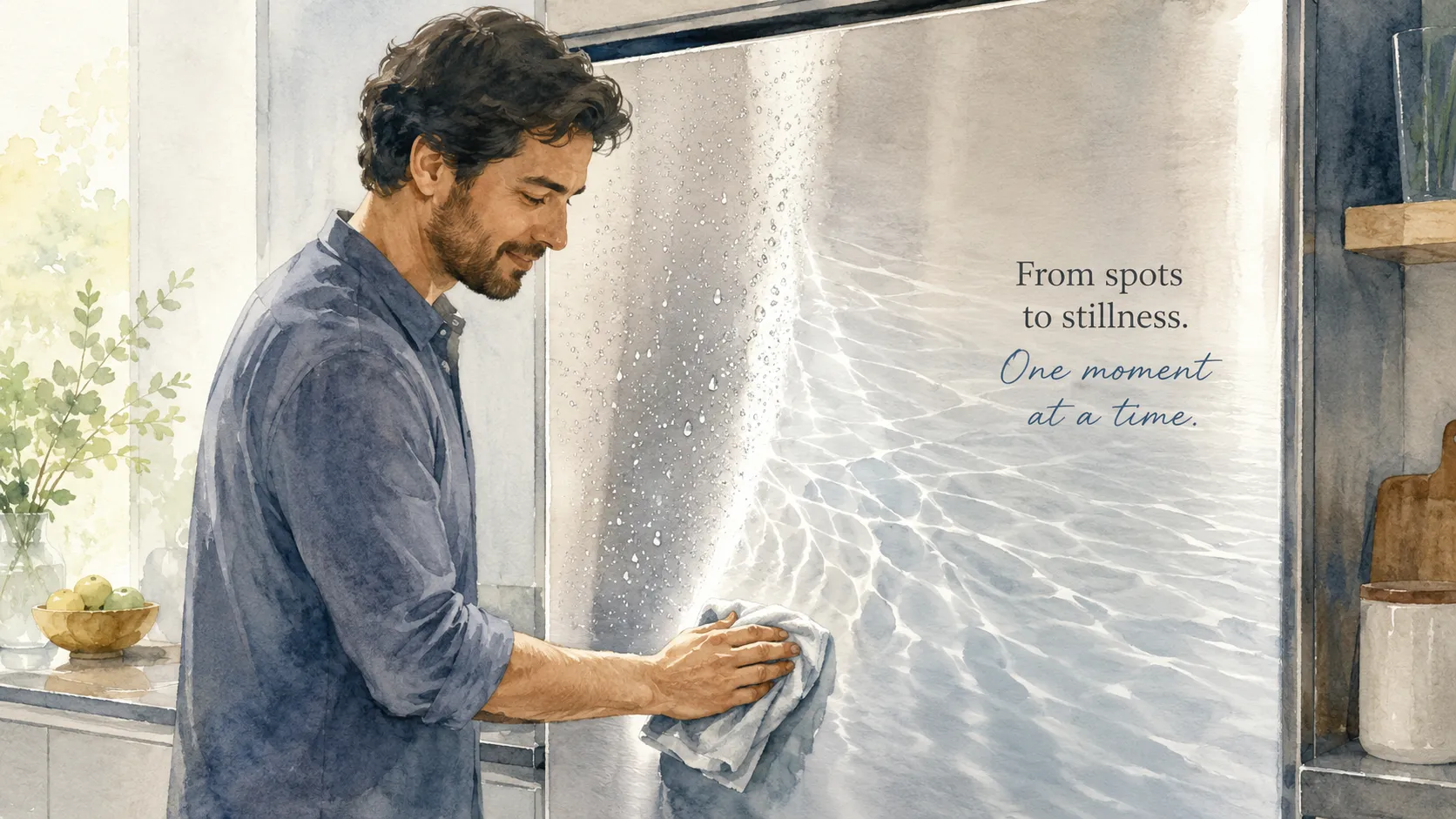
Stainless steel is one of the most popular materials used in kitchens, bathrooms, restaurants, and commercial environments because it combines durability with a sleek, modern appearance. Yet even the most beautiful stainless steel appliance can quickly lose its shine when water spots begin to appear. These spots often show up as cloudy patches, white rings, streaks, or chalky residue that seem impossible to wipe away. The frustrating part is that the surface may actually be clean, yet it still looks dirty because of the visible deposits left behind.
Water spots are not usually signs of damage. In most cases, they are simply mineral residues sitting on top of the metal rather than affecting the stainless steel itself. When water evaporates, dissolved minerals remain on the surface and create visible marks. Experts consistently identify calcium and magnesium as the primary culprits behind these stains, especially in areas with hard water. Research and cleaning industry reports indicate that hard water affects a large percentage of households, making mineral spotting one of the most common cleaning challenges homeowners face. The reason stainless steel highlights these spots so dramatically is its reflective surface. Think of stainless steel as a mirror that magnifies imperfections. A few tiny mineral crystals that might go unnoticed on other materials become obvious against polished metal. Whether you’re dealing with a refrigerator, dishwasher, sink, faucet, or cookware, understanding why these spots form is the first step toward keeping stainless steel looking pristine.
What Causes Water Spots to Stick to Stainless Steel
The Role of Hard Water Minerals
Hard water contains elevated levels of dissolved minerals, primarily calcium and magnesium. When droplets remain on stainless steel and eventually evaporate, these minerals stay behind and bond to the surface. The longer the water sits, the more concentrated the deposits become. Over time, repeated exposure creates layers of buildup that become increasingly difficult to remove. Many people assume stainless steel is somehow attracting the minerals, but that’s not exactly what happens. Instead, the smooth metal surface provides an ideal background that makes mineral residue highly visible. Every droplet acts like a miniature container holding dissolved solids. Once the water disappears, those solids remain. This process repeats day after day until the surface develops cloudy patches and stubborn white marks.
The severity of spotting depends on local water quality. Areas with harder water experience faster buildup and more noticeable staining. Hot water can make the problem worse because it evaporates more quickly, concentrating minerals around the edges of droplets. That’s why kitchen sinks, kettles, dishwashers, and bathroom fixtures frequently show spotting first. The combination of moisture, heat, and minerals creates a perfect recipe for residue accumulation.
How Evaporation Creates Visible Residue
Evaporation is the hidden process behind nearly every water spot. As water dries naturally, it leaves behind everything dissolved within it. These leftover materials include minerals, traces of iron, cleaning product residue, soap film, and other contaminants. Each drying cycle adds another microscopic layer to the surface.
Imagine leaving a teaspoon of salty water on a countertop. Once the water disappears, the salt remains. Water spots form in much the same way. The minerals do not evaporate alongside the water. Instead, they stay behind and cling to the steel. Eventually, these residues build into stubborn deposits that resist ordinary wiping.
Why Some Cleaning Products Leave More Residue Behind
Soap Film and Detergent Buildup
One of the biggest surprises for homeowners is discovering that cleaning products themselves can contribute to water spots. Many soaps and detergents contain ingredients designed to lift grease and grime. While effective for cleaning, these substances sometimes leave a thin film if they are not rinsed thoroughly.
That film becomes a magnet for minerals and dirt. Instead of preventing spots, it can make them more visible. When water lands on a surface coated with detergent residue, the minerals become trapped within the film. As the water evaporates, the combination of soap and minerals creates cloudy streaks that appear even more noticeable than standard water spots. Some homeowners respond by applying additional cleaner, which can actually worsen the issue. Layer after layer of cleaning product accumulates until the stainless steel loses its original reflective appearance. The result is a dull surface that never seems completely clean no matter how often it is wiped down.
Cleaning Product Ingredients That Cause Streaking
Not all cleaners are equally suitable for stainless steel. Certain products contain waxes, oils, surfactants, or polishing agents that can leave behind residue if applied incorrectly. Excessive use of concentrated chemicals may also create streaks that mimic water spots.
Cleaning professionals frequently recommend avoiding harsh abrasive cleaners, steel wool, and chlorine-based products because they can damage the protective layer of stainless steel. Using aggressive chemicals may remove stains temporarily while introducing new problems such as discoloration, scratching, or residue accumulation. Instead, gentle formulations and proper rinsing techniques generally produce better long-term results.
| Cleaning Method | Risk of Residue | Stainless Steel Safety |
|---|---|---|
| Warm Water | Very Low | Excellent |
| Mild Dish Soap | Low | Excellent |
| Diluted White Vinegar | Low | Very Good |
| Harsh Chemical Cleaners | Medium-High | Use Carefully |
| Abrasive Powders | Low Residue, High Scratch Risk | Poor |
| Steel Wool | No Residue, High Damage Risk | Avoid |
Gentle Cleaning Methods for Daily Spot Removal
Using Warm Water and Microfiber Cloths
The simplest cleaning solution is often the most effective. Warm water combined with a clean microfiber cloth can remove fresh water spots before they become permanent. Microfiber works particularly well because its tiny fibers lift residue without scratching the metal.
Daily cleaning should focus on removing moisture before minerals have an opportunity to settle. After using a sink or appliance, wipe the surface with a damp cloth followed by a dry microfiber towel. This two-step process removes both contaminants and leftover water. Over time, this simple habit significantly reduces spotting.
Many people underestimate the power of consistency. Stainless steel rewards regular maintenance. Spending thirty seconds drying a sink after use can eliminate the need for intensive scrubbing later. It’s similar to brushing your teeth daily instead of waiting for cavities to develop. Small efforts prevent larger problems.
Vinegar-Based Cleaning Solutions
White vinegar remains one of the most widely recommended remedies for water spots because its mild acidity dissolves calcium and magnesium deposits. Cleaning experts frequently suggest diluted vinegar solutions for tackling mineral buildup on stainless steel surfaces. The acid breaks down deposits without requiring aggressive scrubbing. For routine maintenance, mix equal parts white vinegar and water in a spray bottle. Apply lightly to the affected area, allow it to sit briefly, then wipe with a microfiber cloth. Always rinse afterward and dry thoroughly. This step prevents leftover acidity from remaining on the surface.
The key is moderation. While vinegar is effective, prolonged exposure or highly concentrated solutions may not be ideal for every stainless steel finish. Following up with clean water and thorough drying helps maintain both appearance and durability.
Dealing With Hard Water Buildup Without Scratching
Safe Methods for Mineral Deposit Removal
Heavy mineral deposits require patience rather than force. Many homeowners make the mistake of attacking buildup with abrasive pads, only to create scratches that permanently alter the finish. Once scratches appear, they provide additional places for minerals and dirt to collect.
Instead, soften deposits first. Vinegar soaks, warm water treatments, or gentle cleaning pastes can loosen buildup gradually. Experts often recommend allowing acidic solutions time to dissolve minerals before wiping them away. This method minimizes the need for aggressive scrubbing. For particularly stubborn deposits, repeated treatments may be necessary. Think of mineral buildup like layers of paint. Trying to remove everything at once often causes damage. Gradual removal preserves the integrity of the stainless steel while effectively eliminating residue.
Mistakes That Damage Stainless Steel Finishes
Several common cleaning mistakes create long-term problems:
- Using steel wool
- Scrubbing across the grain
- Applying excessive force
- Leaving chemical cleaners on the surface
- Skipping the rinsing step
- Allowing water to air dry repeatedly
Cleaning professionals consistently warn against abrasive tools because they scratch the protective finish and increase future staining. Once the surface becomes roughened, water spots become even more difficult to manage.
The Importance of Wiping With the Grain
Understanding the Grain Pattern
Most stainless steel surfaces contain a visible grain, similar to wood. This grain consists of tiny lines created during manufacturing. Although subtle, these lines influence how light reflects from the metal and determine the best direction for cleaning.
Ignoring the grain can leave streaks and uneven polishing marks. Wiping across the grain tends to push residue into microscopic grooves, making streaks more apparent. Cleaning with the grain produces a smoother, more uniform appearance that enhances the metal’s natural shine.
Many appliance manufacturers specifically recommend identifying the grain before cleaning. Once you notice the pattern, you’ll likely see a significant difference in results.
How Proper Wiping Improves Results
Following the grain does more than improve appearance. It reduces friction, minimizes scratching, and helps distribute cleaning products evenly. Experts frequently emphasize this technique because it preserves the original finish while producing better visual results. Imagine brushing the fur of a pet in the direction it naturally grows. The coat appears smooth and polished. Brushing against the fur creates disorder. Stainless steel responds in much the same way. Cleaning with the grain aligns the surface visually and leaves fewer streaks behind.
Restoring Shine After Heavy Mineral Deposits
Deep Cleaning Techniques
When mineral deposits become severe, a deeper cleaning process may be necessary. Begin by removing loose dirt and residue with warm water. Next, apply a vinegar-based solution or approved stainless steel cleaner and allow it to work on the deposits.
After loosening the buildup, wipe gently using a microfiber cloth in the direction of the grain. Rinse thoroughly and inspect the surface. Heavier deposits may require multiple applications. Patience is critical. Rushing often leads to unnecessary scratching or inconsistent results.
Deep cleaning is most successful when combined with proper drying. Leaving even small amounts of water behind can restart the cycle of mineral accumulation almost immediately.
Polishing Stainless Steel Safely
Once deposits have been removed, polishing helps restore the reflective appearance that makes stainless steel so attractive. Many professionals recommend using a clean microfiber cloth for final buffing. Some also suggest a small amount of food-safe mineral oil or specialized stainless steel polish for appliances. The objective isn’t to coat the surface heavily. A thin protective layer can reduce fingerprints and improve shine, but excessive product often creates additional streaks. Less is usually more when it comes to polishing stainless steel.
Habits That Keep Stainless Steel Looking Clear Longer
Daily Maintenance Practices
The most effective cleaning strategy is prevention. Water spots are much easier to prevent than remove. Establishing a few simple habits can dramatically reduce buildup and maintain a polished appearance.
Recommended habits include:
- Dry surfaces after use.
- Use microfiber cloths instead of abrasive pads.
- Rinse away soap residue thoroughly.
- Address spots as soon as they appear.
- Clean regularly rather than waiting for buildup.

Sullivan Mercer is a 27-year-old American writer living in Chattanooga, Tennessee. His work focuses on manufacturing trends, industrial supplies, and product research, blending technical accuracy with an engaging writing style. Through his contributions to rawmaterialsupply.xyz, he aims to make complex topics easy to understand while maintaining high editorial credibility.